





























































Lighting FAQ
Modern Lighting Buying Guide
Lighting shapes how a room looks, feels, and functions. This guide answers common questions about modern lighting, including how to choose ceiling lights, pendant lights, chandeliers, wall lights, table lamps, floor lamps, and outdoor lighting for different rooms in the home.
Use the jump links below to browse by topic, then follow the collection links to explore modern lighting at HORNE.
Browse the Guide
Lighting Basics
A strong lighting plan combines function and atmosphere. The best rooms use layered lighting so they feel comfortable, flexible, and visually complete throughout the day.
What is modern lighting?
Modern lighting is typically defined by clean forms, thoughtful materials, and functional illumination. At HORNE, modern lighting includes pendants, chandeliers, sconces, table lamps, floor lamps, and outdoor fixtures selected for both performance and design clarity.
What are the main types of lighting?
The three main lighting types are ambient, task, and accent lighting. Ambient lighting provides general illumination, task lighting supports specific activities such as reading or cooking, and accent lighting highlights architectural features, artwork, or focal objects.
How do I layer lighting in a room?
Layered lighting combines overhead fixtures, lamps, and accent lighting to create balance and flexibility. Most rooms feel better when they include more than one source of light rather than relying on a single ceiling fixture.
What color temperature is best for home lighting?
Warm white lighting is often preferred in homes because it creates a softer and more comfortable atmosphere. Cooler temperatures may work better in task-oriented spaces such as offices, laundry rooms, or some kitchens.
Ceiling Lighting FAQ
Ceiling lighting usually sets the visual and functional foundation of a room. It often provides the primary source of illumination while also helping define the scale and character of the space.
What is ceiling lighting?
Ceiling lighting refers to fixtures mounted overhead, including flush mounts, semi-flush mounts, chandeliers, and pendants. These fixtures usually provide the main source of light in a room.
What is the difference between a flush mount and a pendant light?
A flush mount sits close to the ceiling, while a pendant hangs down from a rod, cord, or chain. Flush mounts work well where ceiling height is limited, while pendants create more visual presence.
When should I use a chandelier?
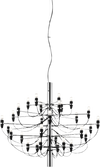
Chandeliers are ideal when you want a ceiling fixture to act as both illumination and focal point. They are especially effective over dining tables, in entryways, and in larger living spaces.
How low should a ceiling light hang?
The ideal height depends on the room and fixture type. Pendants and chandeliers over tables usually hang lower, while fixtures in circulation spaces need more head clearance.
Pendant Lighting FAQ
Pendant lights bring focused overhead light and strong visual identity to a room. They are especially effective above dining tables, kitchen islands, counters, and entry areas.
What are pendant lights best used for?
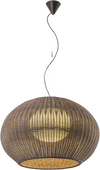
Pendant lights are best used where focused overhead illumination is needed, such as over islands, dining tables, counters, and entry spaces. They can also act as sculptural focal points in a room.
How many pendant lights should go over an island?
The number depends on the island length, pendant size, and desired visual rhythm. Smaller pendants are often grouped, while a larger statement fixture may work on its own.
Should pendant lights match throughout the house?
Pendant lights do not need to match exactly, but they should feel visually related through scale, finish, or design language so the home feels cohesive overall.
Can pendant lights work in a bedroom or living room?
Yes. Pendant lights can work beautifully beyond kitchens and dining rooms, especially in bedrooms, reading corners, or living rooms where a hanging fixture helps define a zone within the room.
Wall Lighting FAQ
Wall lights are among the most versatile fixtures in the home. They add ambient, accent, or task lighting while preserving floor and surface space.
What are wall lights used for?
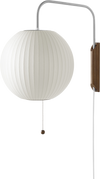
Wall lights provide ambient, accent, or task lighting and are commonly used in hallways, beside beds, near mirrors, and in living spaces where floor or table space is limited.
What is a sconce?
A sconce is a wall-mounted light fixture. The terms wall light and sconce are often used interchangeably in residential interiors.
Can wall lights replace bedside lamps?
Yes. Wall lights are often used instead of bedside table lamps, especially in smaller bedrooms or when a cleaner, more architectural look is preferred.
Where should sconces be installed?
Sconces are often installed beside mirrors, beds, artwork, and along hallways where they can provide even light without taking up valuable space.
Table + Floor Lamps FAQ
Lamps help create warmth and layered illumination throughout the home. They are often the most flexible way to improve a room’s atmosphere without changing the overall wiring plan.
What is the difference between a table lamp and a floor lamp?
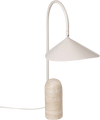
Table lamps sit on surfaces such as side tables, desks, and nightstands, while floor lamps stand independently and often illuminate a larger portion of the room.
Where should table lamps be placed?
Table lamps are commonly placed on side tables, consoles, desks, and bedside tables where they provide localized light and help create a more layered interior.
What are floor lamps used for?
Floor lamps provide ambient or task lighting and are often positioned beside sofas, lounge chairs, or reading areas where overhead light alone is not enough.
How tall should a floor lamp be?
The right height depends on placement and purpose. A reading lamp should direct light where needed, while an ambient lamp should feel visually balanced with surrounding furniture.
Room-by-Room Lighting FAQ
Every room benefits from a slightly different lighting approach. The best plan responds to how the room is actually used, not just how it looks in daylight.
What lighting is best for a living room?
Living rooms usually benefit from layered lighting that includes overhead fixtures, table lamps, and floor lamps. This creates flexibility for entertaining, relaxing, and reading.
What lighting is best for a dining room?
Dining rooms often center around a pendant or chandelier above the table, supported by wall lighting or nearby accent lighting if needed. The goal is to make the table feel defined and inviting.
What lighting is best for a bedroom?
Bedrooms usually work best with soft layered lighting, including bedside lamps or sconces plus ambient overhead light. The overall effect should feel calm and comfortable.
What lighting is best for a home office?
Home offices need a combination of ambient lighting and focused task lighting to reduce eye strain and improve visibility during work. A well-lit workspace usually feels more productive and less fatiguing.
Outdoor Lighting FAQ
Outdoor lighting helps extend how long exterior spaces can be used while also improving safety, visibility, and atmosphere. Good exterior lighting feels integrated with the architecture and landscape.
What types of outdoor lighting are most useful?
Outdoor lighting often includes wall lights, pathway lights, portable fixtures, and accent lighting used to define entrances, terraces, gardens, and circulation areas.
Why is outdoor lighting important?
Outdoor lighting improves safety and visibility while also making patios, balconies, and gardens feel more inviting after sunset.
Can outdoor lighting be decorative as well as functional?
Yes. The best outdoor lighting does both by improving usability while also reinforcing the atmosphere and visual identity of the outdoor space.
What should I look for in outdoor lighting materials?
Outdoor lighting should use weather-resistant materials and finishes that hold up well in changing conditions. Durability matters just as much as appearance in exterior lighting.
Lighting Style + Materials FAQ
Lighting contributes as much to the visual identity of a room as furniture does. Materials, finish, and silhouette all influence how a fixture feels within the broader interior.
What materials are commonly used in modern lighting?
Modern lighting often uses metal, glass, marble, wood, and high-quality synthetic materials chosen for durability, visual clarity, and light diffusion.
How do I make lighting feel cohesive throughout my home?
Lighting feels cohesive when fixtures share compatible finishes, proportions, or design language. They do not need to match exactly, but they should feel related.
Can I mix decorative lighting styles?
Yes. Different lighting styles can work together when they share common materials, scale, or restraint. Mixing styles often creates more character than using identical fixtures throughout the home.
Should lighting be chosen before or after furniture?
Ideally lighting and furniture should be considered together. Larger furniture pieces help establish the scale and function of a room, which then makes it easier to choose appropriate lighting.
Why Shop Modern Lighting at HORNE?
HORNE curates modern lighting for customers who value authentic design, quality materials, and long-term performance. Our lighting assortment includes ceiling fixtures, pendants, chandeliers, sconces, table lamps, floor lamps, and outdoor lighting from leading contemporary and Scandinavian design brands.
Continue exploring with Lighting, Ceiling Lights, Wall Lights, Table Lamps, and Outdoor Lighting.
Explore more: Browse the HORNE Design Guides hub for furniture, lighting, bedroom, dining, office, and outdoor buying advice.