











































































Mid-Century Modern Design: Why It Still Feels So Fresh
More than 70 years later, and there’s still something about mid-century modern design that just feels... right. Defined by clean lines, thoughtful proportions, and a quiet confidence that never tries too hard, this iconic style has a staying power. Not only was it a long era (from about 1945 to almost 1970), but decades after its heyday, the mid-century aesthetic and principles still shape how we decorate our homes. No matter where you live – from a downtown loft to a family bungalow, to a minimalist Scandinavian flat – mid-century decorating and design aesthetics fit in effortlessly.

Why It Still Feels So Fresh
So, what is it about this 20th Century design era that keeps us coming back? As mentioned above, there’s a timelessness to it, and enduring quality that complement contemporary sentiments. There’s a trick and essence to the mid-century methodology that sparks nostalgia – but how can you bring that timeless look into your own home without feeling stuck in a time capsule?
What Defines Mid-Century Modern Design?
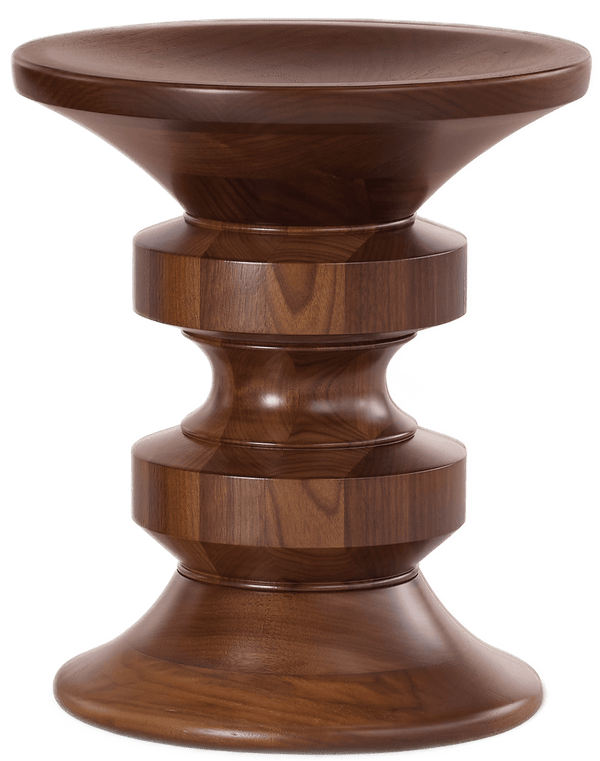
Mid-century modern design emerged in the 1940s–1960s when architects and designers were rethinking how people lived. Post WWII, the world was redefining itself and establishing a new identity that was shaking off the old. But what did the new look like? Iconic designers such as Greta M. Grossman, Arne Jacobsen, and the Eames’ set the standard. The goal was simple: create functional spaces that oozed a minimalist beauty and made everyday life easier, not more complicated. The filigree was out, the sleek lines were in. But the creativity and art of it all did not vanish.
A few key features you’ll notice:
- Clean, geometric lines
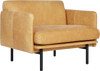
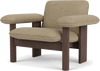
- Natural materials like wood, leather, wool, and stone
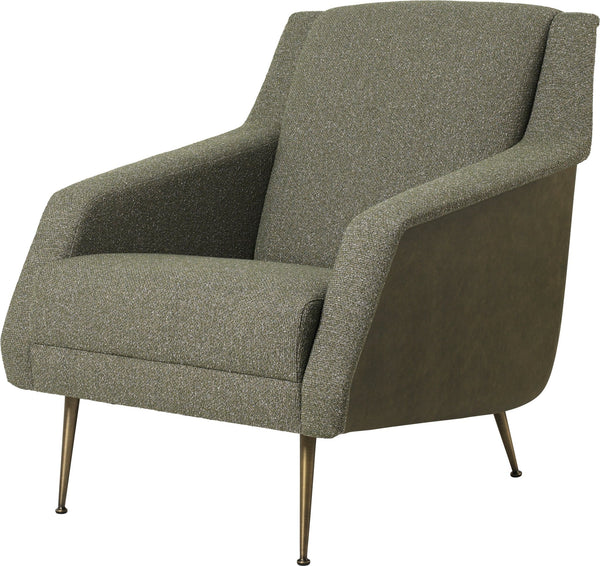
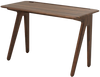
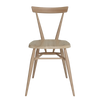
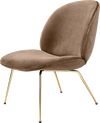
- Tapered legs on chairs, tables, and sofas
- A mix of organic shapes and industrial elements
- A palette that balances warm neutrals with bold, saturated colors

It’s a style born out of optimism and shaped by a forward-looking attitude. However, it is deeply grounded in craftsmanship and collaboration—collaboration between brands and designers, collaboration between art forms, and collaboration between architecture and pieces that fill it. That balance of modern and approachable is why it still works today.
Why Mid-Century Resonates Today
This era has that rare quality of being distinctive but versatile. The cleaner forms and simpler objects mean you can go full Eames-era revival or use it as a foundation for something more layered and eclectic. No overwhelm or overcrowding. It also plays well with other design practices and aesthetics such as Scandinavian furniture, contemporary lighting, vintage pieces, and even bohemian textures.
And it fits how we live now. Our open floor plans welcome the openness of the mid-century sofa while our smaller, urban homes appreciate the compact light and streamlined silhouettes. And yet, our desire for furniture that looks good but also works within our daily routine is more than met.
Additionally, there’s an emotional appeal among the walnut credenzas and brass-armed reading lamps The feeling of comfort, a nostalgia for the homes and people who raised us. Truly, Mid-Century Moder is design with soul, not just style.

How to Bring Mid-Century Modern Into Your Space
Now, the questions we are all asking: how do I bring Mid-Century Modern into my home? Take heart; you don’t need to turn your home into a Mad Men set. There are a few easy, intentional ways to bring the look into your space.
1. Start with the Mid-Century Essentials
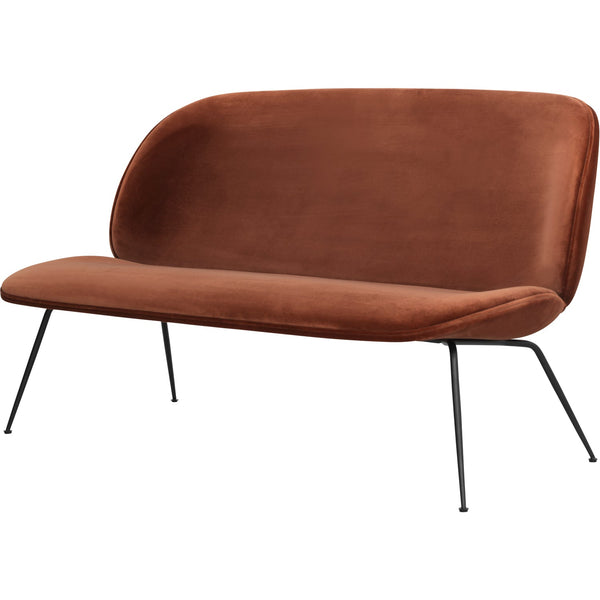
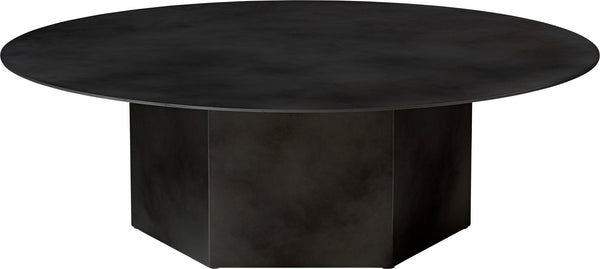
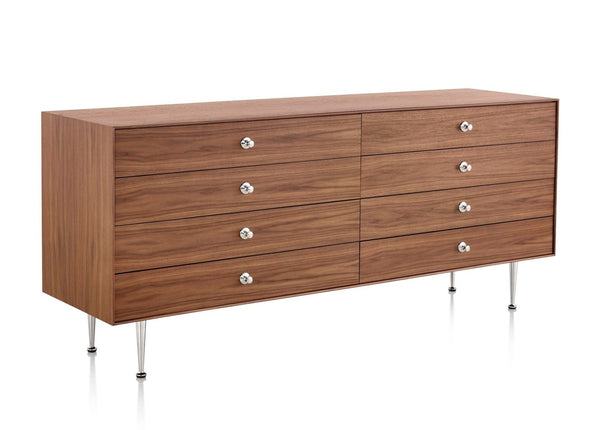
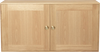
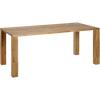
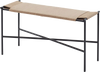
Anchor your space with a few well-crafted, mid-century-inspired pieces. A low-slung sofa with clean lines paired with a wooden coffee table with simple, sculptural legs and complemented by a sideboard in walnut or oak with understated hardware.
2. Layer in Lighting
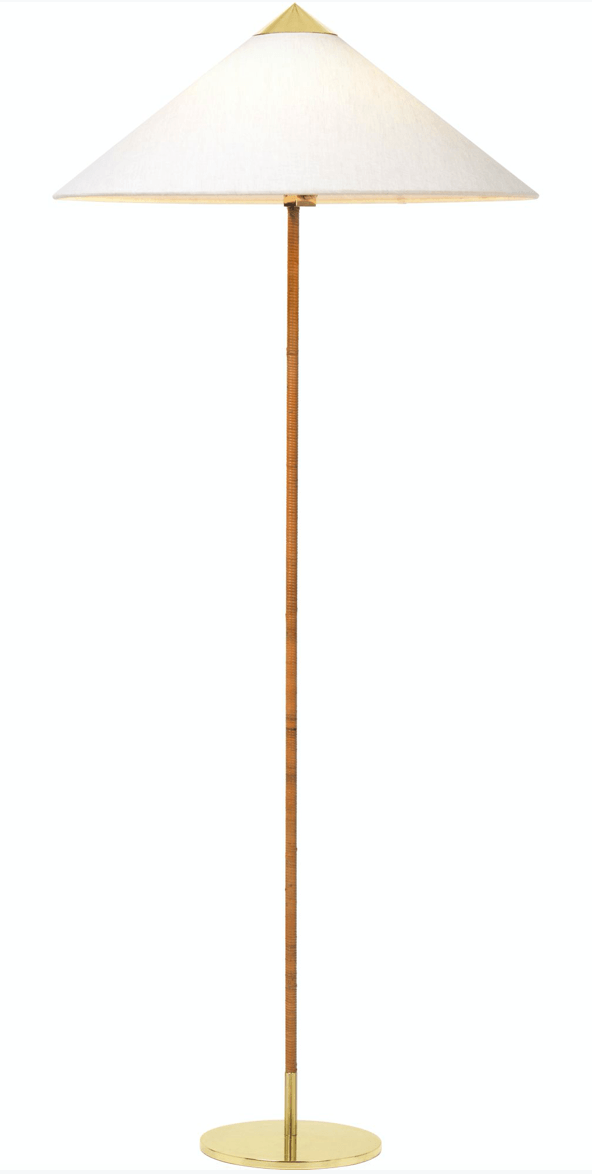
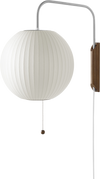
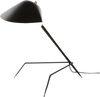
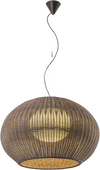
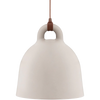
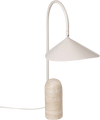
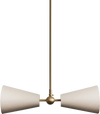
Then layer in lighting. Lights enjoyed a fantastic reformation during the mid-century era making it a cornerstone the look. Brass or matte black floor lamps with angular arms came on the scene, acting as the perfect accompaniment to globe pendants and moody sconces with exposed bulbs or opal glass shades.

3. Mix Old and New
Mid-century was, in many ways, an intersection for the Turn-of-the-Century to meet new millennia. Because of this, it works best when it’s not too precious or strictly curated. Pair vintage-style furniture with contemporary artwork. Layer wool rugs with minimalist shelving. Add plants, textures, and personal objects, all with the goal of designing a space that feels lived-in, not staged.
4. Keep the Palette Balanced
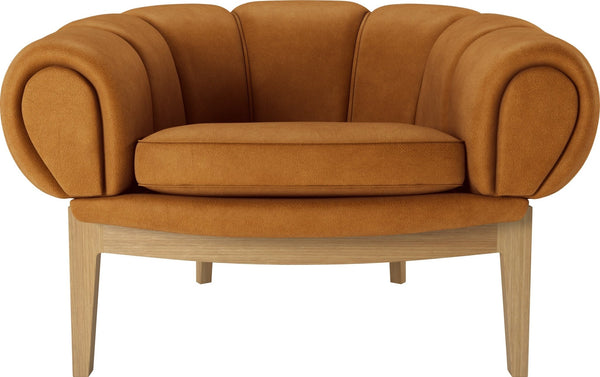
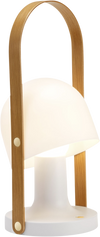
Colors were not foreign to mid-century designs. However, it is always best to approach a color palette with caution at first. Stick to warm neutrals, deep woods, and then slowly add in the occasional pop of color with a fun table lamp, art, accent chair, or rug. In moderation, go olive green, mustard, rust, or teal in upholstery or accent pieces.

Brands That Nail the Mid-Century Mood
At HORNE, our collection features pieces that honor mid-century values, timeless design, honest materials, and expert craftsmanship. From Scandinavian shelving systems to statement pendants, everything we carry is selected to fulfill the dreams and goals of the mid-century design luminaries: exquisite form and approachable function.
HORNE Picks:
- Karakter – Clean forms with a sculptural edge crafted from beautiful natural materials.
- Ferm Living – Earthy tones, curved shapes, and modernist flair all for the average family home.
- Resident – Minimalist silhouettes with high design energy and impactful expressions.
- DCW Editions – Industrial-inspired lighting with mid-century roots, including designs by Mid-Century master Bernard Schottlander.
Explore related collections, including Dressers + Armoires, Bedroom Furniture, and Bedside Tables & Nightstands, and visit our design guides for a broader point of view.