




























































How to Use Indoor Planters in Contemporary Homes
Whether you possess a green thumb or not, you and your home can both benefit from indoor plants. Not only have they proven to be amazing decorative accents, but some plants are scientifically proven to improve air quality. What’s more, they add organic warmth and literally bring a little life to your room’s composition. Their natural flow and color palettes, as well as their whimsical forms, bring a cozy and eclectic feel to any interior. But, just like everything else you bring through your door, plants need to be styled so you can maximize their impact in your space. That is where the indoor planter comes in. To help you fully integrate foliage, we’ve put together a guide on how to use indoor planters in contemporary homes.

How to Use Indoor Planters in Contemporary Homes
We can’t lie, shopping for planters is often one of the best parts of buying plants. Especially if you’re bringing the outdoors in more for your mood and enhancing your home than for your horticulturist leanings. At HORNE, we are always delighted to find a new vase or planter from a iconic design houses like Ferm Living, Audo Copenhagen, and Fermob. These brands understand that the role of an indoor planter is twofold: functional homes for greenery and sculptural objects that elevate your décor.
Let’s walk through the process of finding the perfect indoor planter that complements your modern, minimalist, or Scandinavian interior.
What Makes a Great Indoor Planter?
It may seem like a silly question, but before we explore specific styles, we should define what makes a well-designed indoor planter.
First is material expression. You want high-quality planters that use durable and intentional materials. Not only do you want the planter to withstand children, animals, moving, dirt and water, and the natural destructive and persistent nature of plants, but you want it to exude intention.
Materials & Indoor Planter Balance
Materials like ceramic, matte metal, stone, or refined concrete all meet the challenge and offer design versatility.

The planter should also offer proportional balance to the room. An oversized indoor planter is wonderful for open-plan living spaces, while smaller pots—maybe paired with pots of different heights and shapes—are better for bright corners, windowsills, and side tables.
Additionally, consider the functionality of the indoor planter. A little research of the plant will tell you if it prefers to be more root-bound or have some breathing space. You’ll also discover if drainage is needed so you can select a planter with a tray.
Top Indoor Planter Designs for Contemporary Homes
Now for the best part: our favorite planters! We’ve curated the best indoor planters that resonate with modern interiors and enhance the environments they inhabit.
1. Minimal Ceramic Planters
Ceramic planters with signature minimalist crisp lines can be finished in natural matte or gloss and are enduring choices for modern interiors. Place them in entryways to introduce the vibes of your home, or utilize their neutral surfaces expressions to allow foliage to take center stage on a pedestal or credenza.
Why it works: The ceramic surface has an organic presence that pairs beautifully with natural textiles and perfectly complements the Mother Earth connection between plant and home.
Styling tip: Choose soft earth tones to enhance the color of the plant. The wonderful thing about ceramic is that each pot is just a little unique, so you can select one that has undertones similar to the palette of the plant itself.
On of our favorite ceramic planters is the Corduroy Pot which is finished in a series of glossy earthy beiges and browns. The wound and stacked clay gives the planter a handmade look and feel. Whether you place it on a shelf, windowsill, or table, it brings an inviting, contemporary touch.

2. Sculptural Stone & Concrete Planters
Sculptural stone and concrete planters offer durability with wonderful sculptural presence. These planters often feature textured finishes and subtle variations that feel organic rather than industrial. Because they are often sturdier, these planters are perfect for larger floor plants like fiddle leaf figs or palms.
Why it works: The naturally textured surfaces of stone planters add depth without disconnecting from contemporary aesthetics.
Styling tip: Use stone and concrete planters in pairs near seating arrangements or entry points to create impactful symmetry and balance. A fantastic concrete planter option is the Orimono Vase which turns the entire concept on its head. Emulating the flow and folds of fabric, this beautifully sculpted pot can be used as a vase for large greenery, branches, or flowers, or filled with dirt to accommodate an indoor plant.

3. Matte Metal Planters
The versatility of the metal planter always impresses us. A wide variety of finishes, from matte black to brass, to bright powder-coated colors bring intrigue and creative beauty to pots that might otherwise be quite industrial. These planters feel especially relevant in loft apartments and modern minimalist interiors. Plus, they pair really well with any sort of plant. They do tend to be lighter and they can susceptible to water damage, so choose trailing plants that don’t get too top heavy and include a liner to protect the planter from dirt and water.
Why it works: The metallic finishes contrast with greenery while reinforcing modern materials used in furniture and lighting. Metal planters effortlessly complement modern furniture with metal bases and hardware and offer a great contrast to softer pieces—meaning they are great in all spaces of all styles!
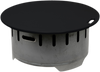
Styling tip: Combine matte metal planters with softer textiles and wood accents to avoid visual coldness. A great metal pot to include in your space is the Mategot Flowerpot. Featuring the iconic and revolutionary perforated Rigitulle metal, the Mategort Flowerpot is not only a stylistic statement, but the perfect homage to Mid-Century designer Mathieu Matégot.

4. Tall Column Planters
Every space needs a little drama, or at the very least some movement and height modulation. This creates visual intrigue, simply by using tall planters to quite literally, and figuratively, elevate greenery. Column or pedestal planters are perfect for rooms with high ceilings or spaces where you can fit three or more planters.
Why it works: These planters draw the eye upward and integrate beautifully with pendant lighting and architectural features.
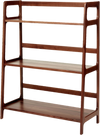
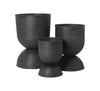
Styling tip: Pair tall planters with low furniture pieces to balance vertical and horizontal lines. Group these planters with shorter pots in entryway or office corners to fill negative space. Two column planters come to mind for us. One is the Agnes Plant Stand which is crafted from woven rattan and looks stunning in Scandinavian spaces. The other is the more Brutalist Empire Vase from 101 Copenhagen. This tall planter has a fluted base and globe pot that takes your breath away when paired with vining plants

5. Plant Boxes
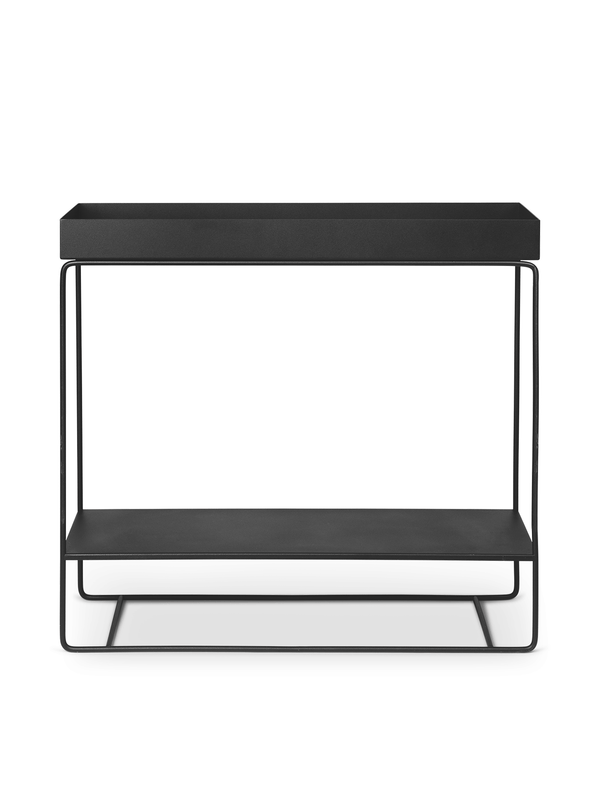
Plant boxes are no longer relegated to the windows. Instead, they are becoming the perfect way to save space while still bringing plants into your home. With the plant box, you can fit a number of plants into the top tray, condensing your display, but still reaping the benefits of a little green.
Why it works: These boxes often have extra shelves, so they can easily be little hubs of green, storing not only a garden on top but potted plants on the shelf below. They are great for apartments or rooms with just a little space by the window.
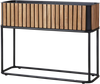
Styling tip: Vary plant sizes and leaf shapes for visual rhythm and depth, and utilize any bottom shelves for plants that don’t need as much sun. We love the Ferm Living Plant Box Two-Tier. This streamlined, minimalist plant box offers planting space above and shelf space below, not to mention a powder-coated metal construction that allows you to move the whole display outside for the summer.

Placement and Styling Tips for Indoor Planters
Now that you’ve browsed some amazing indoor planters, here are some professional guidelines for placing and styling these planters to maximize their impact in your home, office, or hospitality space.
-
Scale with space
Large planters can anchor seating areas or frame architectural features, while smaller planters add detail on consoles and shelves. -
Balance height and depth
Tall planters should not be too close to low furniture. Instead place them beside chairs, raised sofas, and vertical shelving. If needed, pair tall vases and planters with shorter ones to create height and rhythm. -
Layer lighting and plants
For plants, natural lighting and sun are essential. Choose a planter that can easily fit and be positioned near a window that also complements your other wall, floor, and table lamps so they all work together in harmony. -
Group for effect
Cluster planters varied heights and mix and match textures to create intentional groupings that feel curated, not cluttered. -
Consider plant needs
Don’t forget to match plant types with planter functionality. Some planters come with integrated drainage trays or liners, which are essential for species that require regular watering.

The Best Place to Find Modern Indoor Planters
Indoor planters are design tools in contemporary homes. Carefully selecting materials, proportions, and functionality ensures indoor planters not only properly house plants but help define space, shelving displays, and bring natural energy into interiors.
At HORNE, we curate planters and plant stands that reflect modern design principles through thoughtful scale, refined materials, and aesthetic versatility. Whether you’re building a verdant corner in the living room, supporting a collection of botanicals, feeding your plant hoarding habits, or anchoring entryway décor, the right indoor planter elevates both the plant and the space it occupies.
Shop the full planter and flower pot collection at HORNE and find modern indoor planters that you and your plants will love.
Explore related collections, including Planters + Pots and Planters, and visit our design guides for a broader point of view.