
















































How to Light a Low Ceiling
While the magic of a modern mansion with vaulted ceilings will always enchant, there’s something incredibly intimate and beautiful about a small cottage feel with closer rooms and an old-world charm. These homes are often more segmented with lower ceilings, offering a cozy atmosphere, and lots of corners but very little natural light. But even if your home is a new build, high ceilings do not come standard and an 8-foot ceiling is common. Whichever scenario you’re designing, the lighting you bring in must be strategically chosen and placed. To start, better control of projection, brightness, and sight lines must be considered. Follow this guide to discover how to light a low ceiling, and the best lights to use.
First: Measure
As with all careful design planning, finding the perfect ceiling light for a low ceiling starts with measuring. The first measurement to take is from floor to ceiling. Know how much ceiling height you are working with before researching lights. Don’t forget to account for beams, soffits, doors, cabinets, ceiling fans, and the height of those using the space.
The final measurement you need to take note of is the fixture’s own measurements: width, including canopy, body, shade, and any decorative finial.

How to Light a Low Ceiling
When you’re lighting a room with a low ceiling, the lighting basics remain the same; you still need to consider Kelvin color temperature and have a basic understanding of the Color Rendering Index. However, some of the bigger things to consider include:
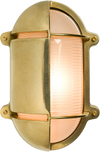
- A Flush or Low-Profile Fixture. Limited head room and low ceilings are the ideal place to use flush or low-profile fixtures. These lights skim along the ceiling and can be sweeping displays of light or modest sculptural accents. If you don’t want a completely flush mount, then a semi-flush option might be what you’re looking for. It creates a small gap between the fixture and ceiling which allows light to emanate further and utilize the ceiling as a reflector.
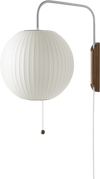
- Use Walls and Ceilings as a Reflector. This old-school technique for blasting light around the room is still a fantastic way to quicky, warmly, and effectively light smaller areas. Place table lights on mirrors and mount sconces against metal backplates. And when it comes to the ceiling light, use metal canopies and the ceiling itself as reflectors.
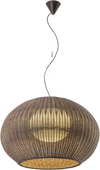
- Only Use Pendants Sparingly. As your main light, a pendant is probably not the best choice unless you can really customize the length and the overall size is proportional. However, in rooms with shorter ceilings a pendant can be perfect in corners over the reading nook or hung above the coffee table.
Layer Task Lighting
In smaller spaces, you do not want one light to dominate or be the sole source of light. Instead, add in task lighting where activities occur and in key areas where the smaller main lights may not reach.
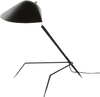
- Place a floor lamp beside a sofa or lounge chair.
- Use desk lamps at work surfaces.
- Install wall lights and use table lamps beside beds in bedrooms.
- Utilize under-cabinet light in low-ceilinged kitchens.
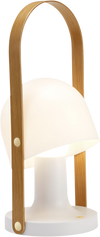
- Never underestimate the power of small portable lamps on shelving and consoles.
These layers build up your lighting composition and ensure that a ceiling light isn’t needed where one doesn’t fit.

Control Glare
Low ceilings place fixtures closer to the eye which means bare bulbs and concentrated downlights feel more intense. Utilize opal glass, diffusers, fabric shades, louvers, and directional control to shield the bulb and distribute the light more evenly. And don’t forget the value of dimmers.
A Light for Every Low-Ceilinged Room
Every room is a little different, but follow these guidelines and you'll be able to choose the perfect lighting combinations for every low-ceilinged room.
Lighting a Living Room
Low-ceiling living room is enhanced by a broad flush or shallow semi-flush fixture which creates that perfect ambient light. Then add a floor lamp near primary reading and seating areas alongside some table lamps. Illuminate art with wall lights or build in some subtle sconces for atmospheric lighting.
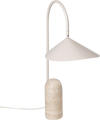
The Lights We Love for Living Rooms:
Low-Ceiling Bedroom Lighting
Use a more diffused overhead light paired with a reading light—either a table lamp or a shortened pendant—and wall-mounted bedside sconces.
The Best Bedroom Lights:

Lights for Dining Rooms
Even in low-ceilings dining rooms a pendant is still the best option. Because it hangs over the table, the length does not cause problems with room flow or functionality. Instead, it becomes a centerpiece that does most of the lighting work. Fill in the gaps with some wall sconces.
Our Favorite Dining Room Lights:
Low-Ceiling Kitchen Lights
Kitchens run best with low-profile general lighting and specialized task lighting for over breakfast bars and islands. Because this space is used for hosting, you’ll want clear sightlines and maybe some accent counter table lights.
The Best Lights for Kitchens:
Final Checklist for Choosing Lighting
Now that you have some basic information, measurements, and inspiration, verify a few more things before making any purchases.
- Ceiling height
- Fixture projection and lowest point
- Door, cabinet, and fan clearances
- Beam direction and bulb visibility
- Light output, color temperature, and CRI
- Dimming compatibility
- Canopy size and junction-box requirements
- Ideal placement for wall and table lighting

Easily Light Any Low-Ceiling
Low ceilings don’t have to be a challenge to light. Careful measurements and layered lighting easily bring the room together and ensure no dark corner goes unlit. Bring in flush ceiling lights, modern sconces, and some strategically placed table lights to build the lighting composition and enhance any space. Find exactly what you need in the HORNE modern lighting collection to make low-ceilinged spaces feel calm, spacious, and deliberately designed.


