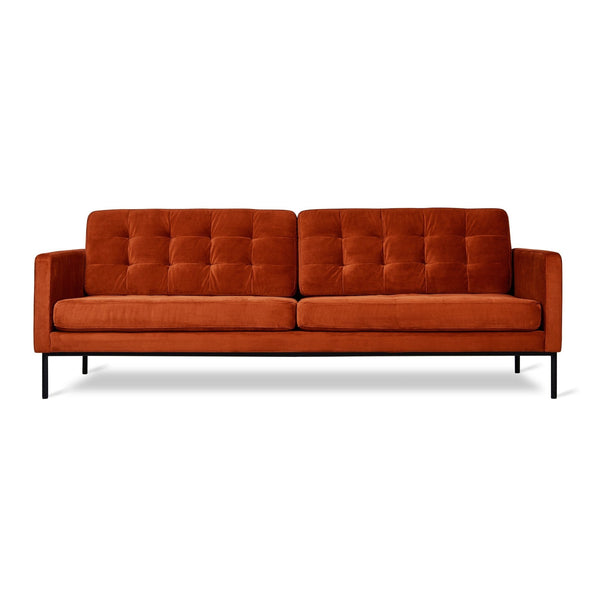





















































Create Retro Warmth with 1970s Interior Design
We all love a good comeback story, and the tale of 1970s interior design is truly inspiring. Bouncing back as younger generations delve into retro vibes for everything from clothing to music, this resurgence is somewhat unexpected. And not just because we all envision shag carpets when we hear 1970s. The unexpected part is actually that there’s a new interpretation of the classic ‘70s look. In the 21st Century, we’ve banished the slightly cringey aspects of ‘70s fads and fashions and instead we’re focusing on what made the era compelling in the first place: warmth, personality, and a strong connection to materials. With this guide in hand and a little help from brands like Gubi and Gus* Modern, we’ll help you create retro warmth with 1970s interior design.

Reimagined ‘70s Vibes
Modern furniture and Scandinavian design disciplines are now filtering the iconic ‘70s design aesthetic. This 21st Century approach to a mid-century concept means we’re leaning more towards a cleaner, more restrained, more livable and timeless look. Styling pieces inspired by and directly from the 1970s takes a little bit of intention as we channel the spirit of the era into modern homes that ask for a little more simplicity.
Below is a practical guide to understanding ‘70s interior design and how to apply it in a way that feels current instead of costume-like.
Creating Retro Warmth with 1970s Interior Design
The 1970s marked a shift toward more relaxed, expressive interiors. Homes became less formal and more centered around comfort and individuality. Conversation pits, plushy furniture and carpeting, earth tones, and natural materials were paired with bold patterns and layered textures. The slightly more open-concept was introduced to homes and bigger, flashier accents defined décor.
At its core, the decade was about creating spaces that felt lived-in and personal. And they weren’t scared of color.
The Color Palette: Warm, Grounded, and Natural
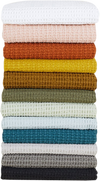
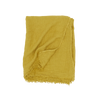
Color is one of the most recognizable elements of ‘70s interiors. The palette leaned heavily into nature-inspired tones in darker, almost muddy hues. Burnt orange, mustard yellow, and olive green all complemented deep browns. These colors also worked well with chromes, plaster, and dark, stained woods.
Grounded and comfortable spaces were created within this color palette. Today, though, it’s a sharp contrast to the cooler palettes that dominated more recent decades.
How to Use It Today
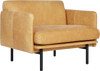
Introduce these tones onto a neutral base, intentionally choosing colors to pop in and out through items like upholstery on an accent chair, pillows, area rugs, and smaller lights.

Low, Relaxed Furniture
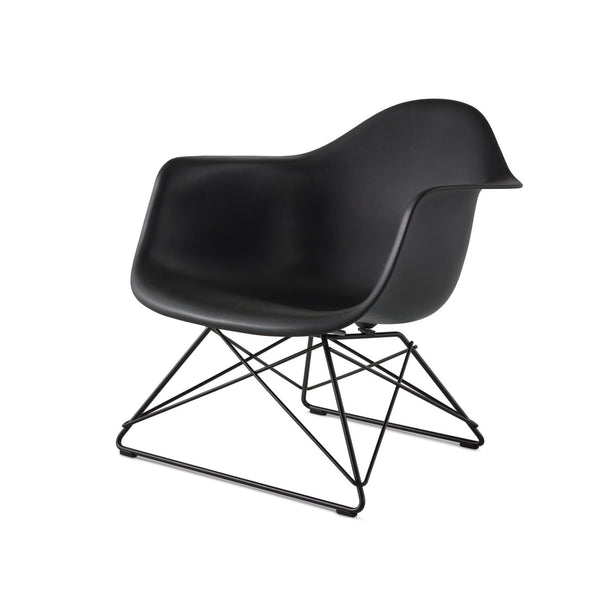
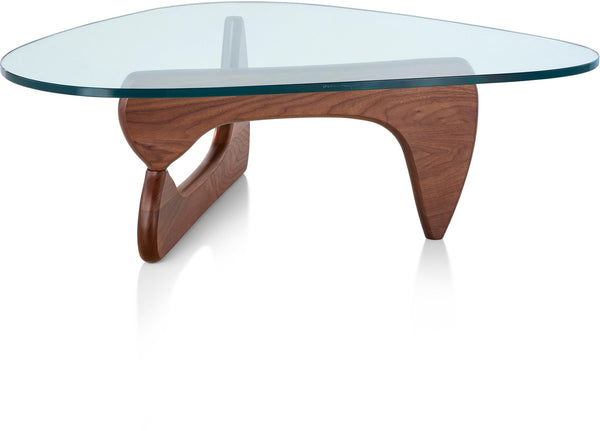
For seating and dining, the ‘70s favored furniture that encouraged lounging and social interaction. In living rooms, you would find deep, low-profile sofas, modular seating, large coffee tables, and deeply reclined lounge chairs.
How to Translate This for 2026
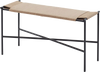
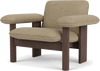
Luckily, modern and Scandinavian furniture already aligns well with this idea. Low-profile sectionals, minimalist chairs, and coffee tables that act as statement pieces bring that key comfort without visual heaviness.
Natural Materials and Texture
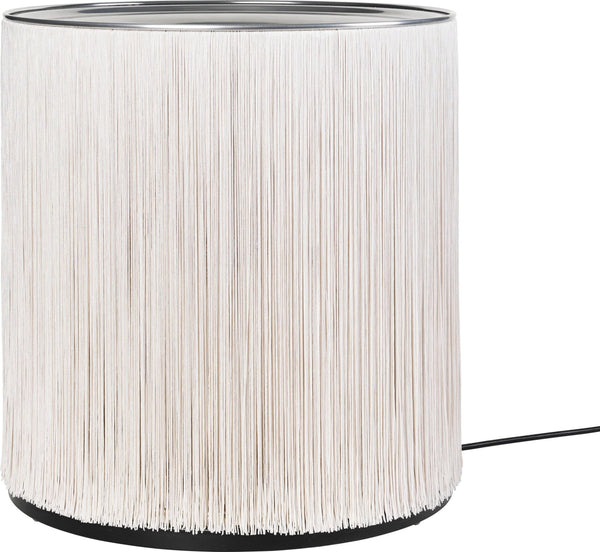
The 1970s brought a strong emphasis on materiality. Home and office interiors were layered with tactile, organic finishes, textured wallpaper, lots of paneling, fabrics, tassels, and more.
Common materials included:
- Wood (often finished in darker tones like walnut)
- Rattan and wicker
- Stone and ceramic
- Velvet and textured fabrics
How to Apply This Now
Focus on contrast through texture rather than color. In the ‘70s color was often used to set pieces apart. Today, pair wood with soft textiles, add ceramic and stone to the space, and introduce woven elements through basket or seating.
This approach feels aligned with both Scandinavian design and modern interiors while also paying homage to the ‘70s.

Curves, Shapes, and Soft Geometry
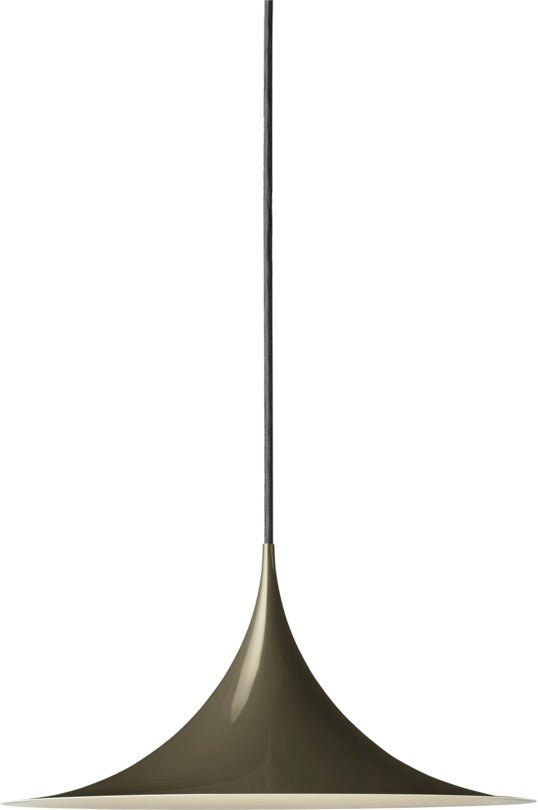
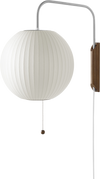
Another defining feature of 70s design was the move away from rigid lines toward more fluid forms. Walking into a living room or bedroom, you’d see rounded sofas, globe lighting, and more organic silhouettes and forms.
This soft geometry automatically makes spaces feel more relaxed and approachable. An added bonus is that is infuses the room with visual interest without clutter.
Using Curves in Homes Today
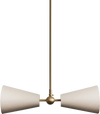
Homes today are no strangers to curves, shapes, and soft geometry. This trend never died, so it’s easy to source pieces that reflect this in both contemporary furniture and modern lighting. We suggest starting with lighting. It’s easy to find geometric designs that are subtle.

Pattern and Personality
The original 70s embraced bold patterns. From geometric prints to florals, patterns were found everywhere and often layered. This is one element of the era we suggest restraining. Use patterns lightly by selecting a statement pattern, introducing it through textiles, or using art.
Open, Social Layouts
The 1970s helped popularize open-plan living. Both domestic and commercial spaces embraced flow between living, dining, and kitchen. They also utilized conversation-focused seating arrangements and created central gathering points with coffee tables.
Modern Application
Again, this hasn’t changed much. Today’s version is just simpler.
- Arrange seating to encourage interaction
- Keep pathways clear
- Use rugs and furniture placement to define zones
Why 70s Design Works So Well Today
There’s a reason this style is coming back. There is a move to banish the colder elements and aesthetics of modern interiors. We’re starting to release some control and let the furniture, art, color palette, and lighting tell its story. However, the counterbalance of the ‘70s, which offered warmth, texture, and personality, can easily be found in modern furnishings.
Designers are now blending ‘70s elements with contemporary and Scandinavian furniture to create spaces that feel both refined and livable.

How to Get the Look Without Overdoing It
Easily, the biggest mistake when bringing ‘70s-inspired design into your modern home is going too far. Don’t dowse your home in groovy pieces and colors. Instead, start with your neutral base, add in warm tones and furniture that captures the spirit of the era. Then, focus on materials, layering textures, and introduce pieces that feel inspired by, not stuck in, the 1970s.
Creating a 1970s Home in the 21st Century
A ‘70s interior is absolutely possible in your 21st Century home. It’s less about nostalgia and more about balance. Remember to introduce warmth, softness, and individuality lightly and with intention. That way you do not sacrifice clarity but rather harness the flower power era with restraint.
At HORNE, many of the core ideas behind this style—natural materials, thoughtful furniture, and functional design—are already embedded in the collections we carry. The result is a version of '70s design that feels current, elevated, and easy to live with.
Explore related collections, including Modern Furniture, Living Room Furniture, and Coffee Tables, and visit our design guides for a broader point of view.